Environmental Data
At Oxbow Meadows Environmental Learning Center, we are committed to understanding and sharing the natural systems that shape our local environment. Through collaborations between Oxbow staff, Columbus State University interns, and community volunteers, we collect and analyze data that offer real-world insights into our ecosystems. This page highlights ongoing environmental monitoring projects—from bird call analyses that track avian diversity to weather station data that reveal patterns in our regional climate. Together, these datasets help us document change, support research, and inspire a deeper appreciation for the natural world around us.
BirdWeather Audio Data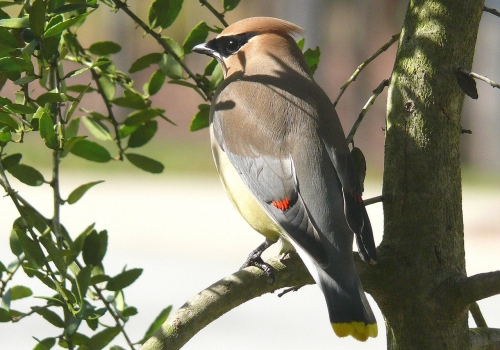
Our bird data come from an automated recording unit (PUC) that captures and identifies bird calls in the area surrounding Oxbow Meadows. Using advanced acoustic analysis software, this project helps us track seasonal patterns, species diversity, and shifts in local bird populations over time.
The link below will take you to files that summarize some of the data. The file Bird Hourly Summary by Month shows when during the day birds were recorded at Oxbow. Hour 0 starts at midnight and continues until 12:59 AM. If a bird was identified in an hour, the spreadsheet denotes that with a "1." A bird needs only be recorded once in an hour to be considered present, so these data do not tell you how many times the bird was identified by sound. The second file, Hourly Occurrence, provides graphs that show the number of species detected each hour throughout the entire month.
Have fun exploring.
Learn more about BirdWeather
Weather Data
Our on-site weather station records real-time information such as temperature, humidity, rainfall, and wind speed. This data contributes to long-term climate observations, and helps connect daily weather changes to broader ecological patterns in the Chattahoochee Valley.
Coming Soon!
Motus Wildlife Tracking Data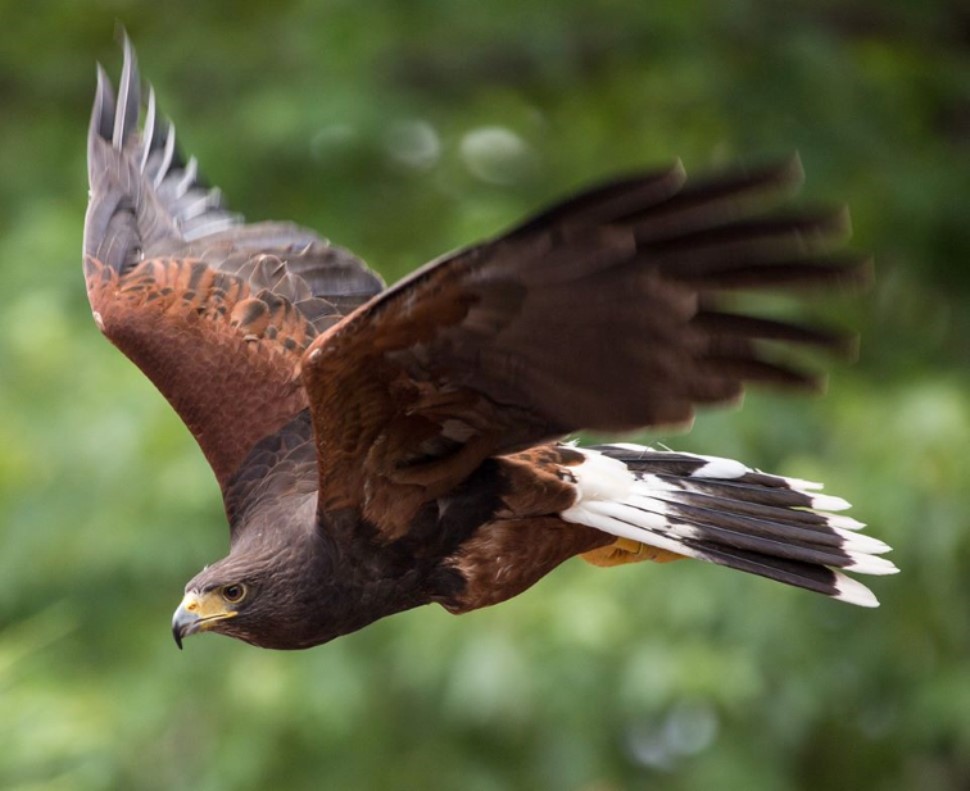
Oxbow Meadows is part of the Motus Wildlife Tracking Network, a collaborative system that tracks the movements of tagged birds, bats, and insects. Our Motus station helps monitor migration routes and contributes to global research on how wildlife connects across habitats.